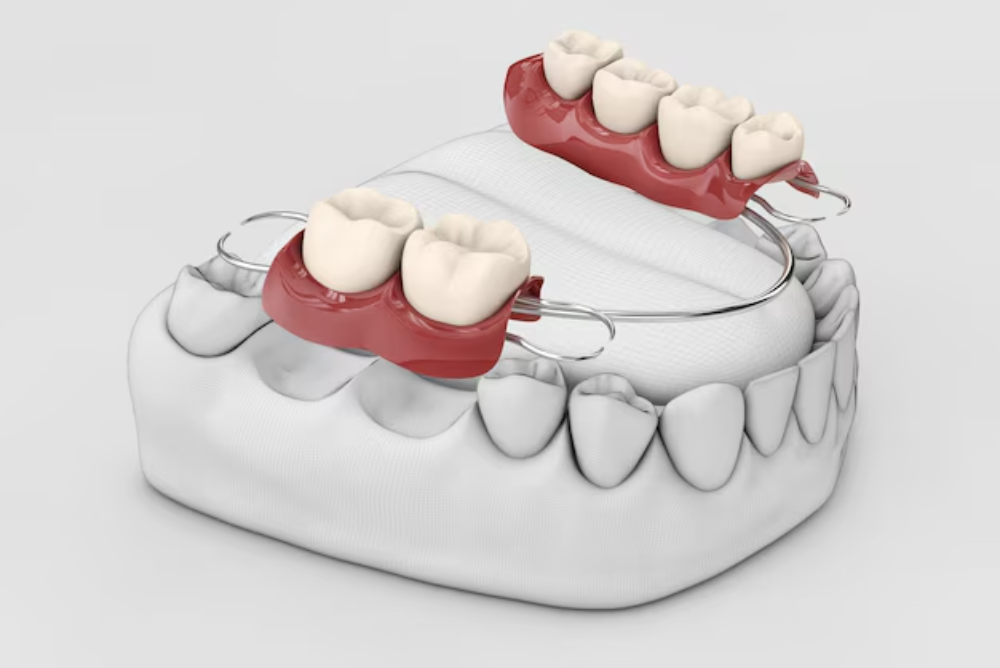
Losing a tooth can make eating or smiling feel uncomfortable, but a dental bridge procedure offers a reliable way to fill that space. A bridge works by using the healthy teeth on either side of a gap to support a new, artificial tooth. Because the replacement is fixed in place, it feels much more natural than a removable partial denture and helps keep surrounding teeth from shifting out of position.
When searching for dental bridges near you, most people find that the treatment requires two or three visits to complete. During the initial consultation, a professional evaluates the health of the gums and the strength of the neighbouring teeth. These “anchor” teeth must be strong enough to hold the weight of the bridge, so the dentist ensures they are free from decay before moving forward with the plan.
Preparing the Anchor Teeth
The first actual step in the process involves getting the surrounding teeth ready to support the new structure. These teeth act as the foundation, so they must be shaped to allow a crown to fit over them perfectly.
- Numbing the Area: A local anaesthetic is used so that the patient feels no discomfort while the dentist works.
- Reshaping Enamel: A small amount of enamel is removed from the anchor teeth to create room for the protective crowns.
- Taking Impressions: The dentist uses a digital scanner or a putty-like material to create a highly accurate map of the mouth.
- Crafting a Temporary: While the permanent bridge is being built in a lab, a temporary version is placed to protect the prepared teeth.
Customizing the Permanent Restoration
While a patient wears a temporary bridge, a specialised laboratory works on the final product. A skilled dentist in Foggy Bottom sends detailed instructions to the lab regarding the exact shade of white that will look most natural. Modern materials like porcelain or ceramic are used because they mimic the way light passes through real tooth enamel, making the bridge almost invisible to others.
Once the custom bridge arrives back at the office, the dentist schedules a second visit. The temporary bridge is gently removed, and the new one is placed to check the fit. It is very important that the bite feels even, so the dentist might make tiny adjustments to the surface of the bridge until it feels exactly right when the patient closes their mouth.
Final Placement and Bonding
The final stage involves permanently attaching the bridge so it stays secure for many years. A strong dental cement is applied to the inside of the crowns, which are then slid over the anchor teeth.
- Checking the Alignment: A dentist ensures the artificial tooth sits snugly against the gums without irritating them.
- Verifying the Bite: A special coloured paper is used to check how the top and bottom teeth meet.
- Polishing: The entire area is cleaned and polished so that it feels smooth to the tongue.
- Final Instructions: The patient receives specific advice on how to eat and clean around the new hardware during the first few days.
How to Care for Dental Bridges
Learning how to care for dental bridges is the secret to making the restoration last for a decade or longer. Since the bridge is connected, a normal piece of floss cannot go between the teeth like it used to. Specialised tools are needed to keep the area underneath the artificial tooth free from food particles and bacteria.
- Use a Floss Threader: This tool helps pull floss under the bridge to clean the space where the replacement tooth meets the gums.
- Water Flossers: A steady stream of water helps clean away plaque and reach areas that are hard to brush.
- Regular Brushing: Brushing twice a day with fluoride toothpaste keeps the anchor teeth beneath the crowns strong and healthy.
- Avoid Sticky Foods: Extremely chewy candies can sometimes put too much stress on the cement, so caution is helpful.
Strengthening Your Smile for the Future
Deciding to fill a gap in your smile is an excellent investment in your long-term health and self-esteem. By choosing a fixed restoration, you ensure that your jaw stays aligned and your remaining teeth stay in their proper places. DC Dental Legacy is proud to offer personalised care to help every patient achieve a functional and beautiful result.
Schedule your visit with DC Dental Legacy today.
Frequently Asked Questions
Does getting a dental bridge hurt?
The area is completely numbed during the preparation phase, so patients generally feel no pain during the appointment. Some minor sensitivity to hot or cold might occur for a few days after the final bridge is placed, but this fades quickly as the teeth adjust.
How long does the entire process take?
Most cases are finished within two to three weeks. This timeframe allows the dental lab enough time to carefully craft the permanent bridge so that it matches the rest of the smile perfectly.
Can a bridge be replaced if it gets damaged?
Yes, if a bridge chips or the cement becomes loose, a dentist near you can often remove it and create a new one. Regular checkups allow the professional to catch small cracks before they become a bigger problem.
Are there any dietary restrictions with a bridge?
Once the permanent bridge is cemented, patients can eat most foods normally. It is usually wise to avoid biting down on very hard objects like ice or popcorn kernels, as these can crack the porcelain surface just like they can crack natural teeth.